How the GLP-1 Era is Transforming The Food Supply Chain
A new class of weight loss medications called GLP-1, known widely by names Ozempic and Wegovy, is impacting how Americans eat and spend. GLP-1 adoption is accelerating and for food producers, processors, and manufacturers, the impacts are already showing up in their bottom line.
Avalon Growth Capital believes this consumer shift marks the turning point where attributes like brand strength, specialty ingredients, and food quality will play a greater role than ever before.
GLP-1 drugs work by reducing hunger signals in the brain. Not only do users of these medications eat less food overall, but the composition of what they eat changes as well.
High-calorie, heavily processed, and low-nutrition products have seen the sharpest declines in consumption and purchase behavior. Simultaneously, nutrient dense food products such as protein, fresh produce, and minimally processed foods have retained their demand and even increased in consumer spending.
These 3 Industry Categories will be the most impacted by GLP-1 driven consumer shifts
Declining purchases are not felt the same across the supply chain, and business owners across each category should start planning for how this shift will impact them.
Animal Protein
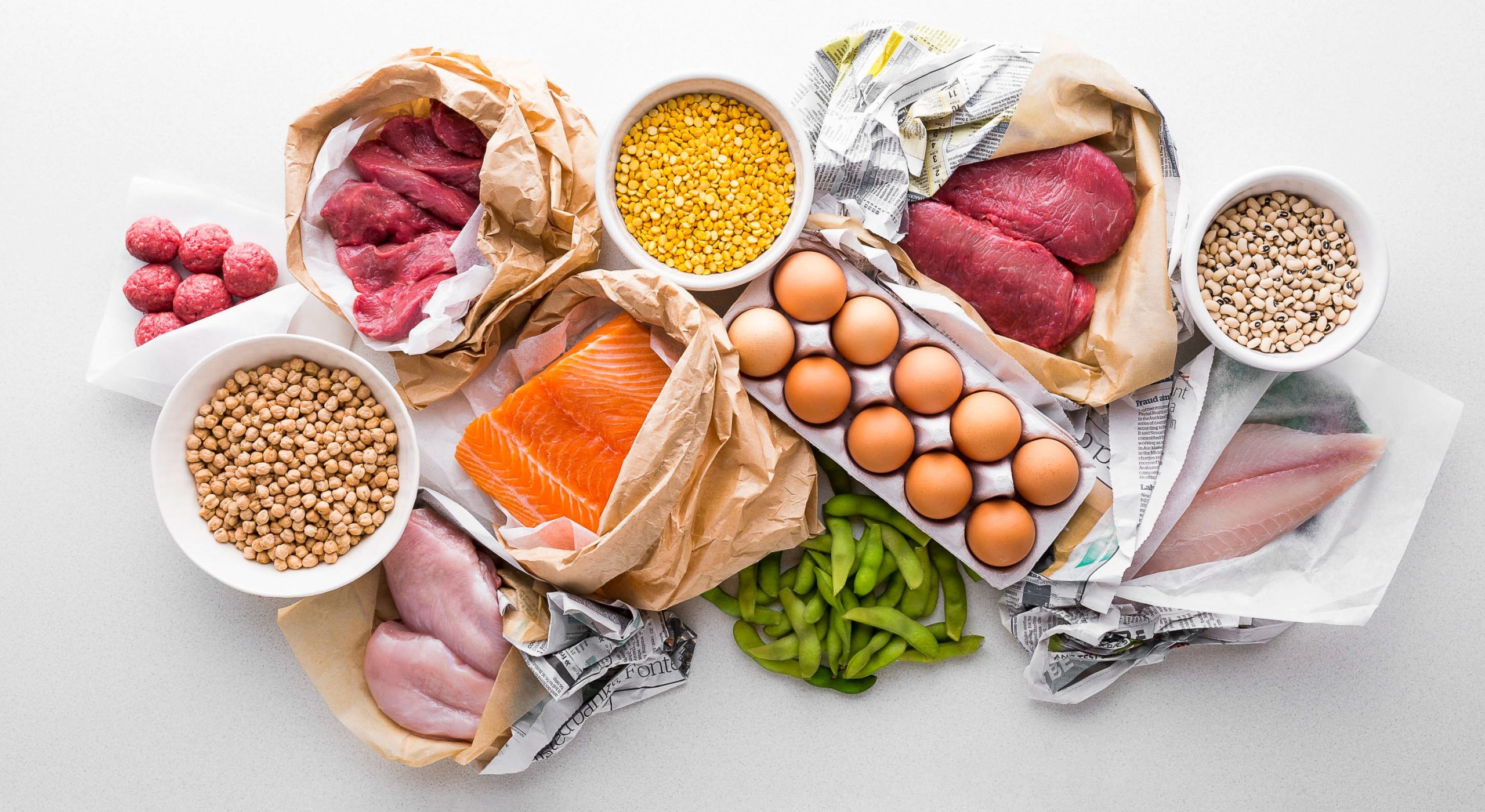
GLP-1 users are not reducing their protein intake, instead they are eating smaller portions of higher-quality, leaner protein. Because of this shift, consumer habits are evolving toward nutrient-dense options, leaner cuts of meat, and away from heavily processed products. The combination of weight-loss drugs and rising prices are also shifting meat consumption through the following trends:
- Beef Demand Is Reaching New Heights: Consumer reliance on lean proteins actually drove domestic beef demand to its strongest level since 1983. Specifically, beef derived from natural feeds and finished on pasture rather than feedlot grains yields higher quality meat with richer nutrients, using traceable & clean processing, and facilitating regenerative practices are driving demand among higher spending consumers.
- Poultry Thrives on Affordability: With retail beef prices averaging well over $9 per pound, cost-conscious shoppers and restaurants are pivoting to poultry. Aided by smaller beef supplies and affordable feed, the U.S. poultry industry is on pace for a second consecutive strong year.
- Meat Snacks Face Supply Squeeze: Nationwide meat snack sales have surged more than 45% over the last four years to reach $4 billion annually. However, the industry is struggling with raw material sourcing. Producing 1 pound of finished jerky requires 2.5 to 3.5 pounds of raw beef. This forces jerky producers to compete directly with hamburger grinders and restaurants for a limited supply of lean beef. Processors without locked-in supply contracts are now facing rising cost pressures.
Dairy
Consumer demand is shifting away from traditional high-fat dairy toward protein-rich alternatives. Confusing dietary guidelines and evolving consumer preferences have created pressure on high-fat products like butter and standard cheese.
- The Decline of High-Fat Dairy: Demand for traditional, high-fat items like standard cheese and butter is stalling.
- The High-Protein Surge: Meanwhile, high-protein options are expanding, forcing mid-sized dairy farms to adapt and adjust operations.
- The Mid-Sized Farm Squeeze: Mid-sized dairy operations face the greatest financial risk. They must quickly pivot their production to meet the demand for protein-rich goods, and must quickly retro-fit their production lines for this shift in demand.
Grain and Feed
The upstream grain sector now faces major headwinds. As consumer demand shifts toward nutrient-dense foods, raw commodities like corn and soybeans face long-term exposure. In response, many feed manufacturers are shifting to focus on protein-efficient alternatives, increasingly favoring pulses, legumes, barley, and oats to support leaner livestock growth.
- Shifting Diets Drive Production: Consumers are moving away from heavily processed foods, reducing sole reliance on bulk commodities of snacks and fatty food ingredients.
- Feed Reformulation: Livestock diets are adapting, prioritizing protein-dense, plant-based crops over high-fat ingredients.
- Export Dependency: U.S. grain producers are increasingly reliant on international markets to stabilize prices and prevent oversupply.
What this means for the Middle Market
While the giant food corporations have the deep pockets to easily recreate their recipes or buy up healthier brands, mid-sized food companies are in a tougher spot.
Middle-market businesses operate with fewer resources and tighter budgets, making them much more vulnerable to sudden shifts in what shoppers buy. These businesses can reduce their risk by expanding beyond a single product line outside of the categories most exposed to this change.
Institutional investors are also changing how they value food businesses. The rise of weight-loss drugs is being priced into a company's future strength, heavily favoring brands that focus on health, nutrition, and clean ingredients.
Investment and buyout activity is also at one of the highest points that it has been in years, creating a golden opportunity for mid-sized companies to adapt. If a business needs support to upgrade its equipment or change its product lineup, there are now many more options available. Government programs like the USDA rural development funding and food production grants are offering financial support that can drastically lower the cost of making these strategic upgrades.
4 Questions Every Food Business Owner Needs to Ask
If you run a business in the food or farming space, these questions may reveal an opportunity for your next step:
1. Is our product aligned to dietary recommendations? If your business sells food products that consumers are actively cutting out of their diets, you need a plan before your profits drop.
2. Can we survive on smaller volumes? Many factories were built on the assumption that they would always be running at 100% capacity. If demand drops, will your margins maintain profitability?
3. Will consumers pay for better quality? People are buying fewer items, but they are willing to pay a premium for higher quality. Can your business upgrade its products to capture those bigger profit margins?
4. What is our exit plan? If you plan to sell your business in the next few years, its value is heavily dependent on which side of the health trend you are on.
How Avalon Growth Capital is advising Clients and Partners around this trend
At Avalon Growth Capital, we work with founders and family-owned businesses across production agriculture, animal protein, dairy, food manufacturing, and rural industry to build long term sustainable financial solutions.
We see GLP-1 adoption as a structural shift accelerating food preferences in consumer behavior toward higher quality meats and proteins across the country and as the perfect opening for the right businesses to capitalize on a changing market.
Avalon Growth Capital is fully committed to guiding our partners through this transition, turning market disruption into a clear blueprint for long-term growth. By pairing deep industry expertise with tailored financial strategies, we help our clients safeguard their legacies, capture investor interest, and build resilient businesses that will feed the next generation of healthy consumers.
Recommended for you
Water Infrastructure: A Long-Term Capital Opportunity

Grid Investment Surge Creates New Opportunities Across the Utility Supply Chain
How GLP-1 Medications Are Reshaping the Food Supply Chain
We are driven by a passion to transform the world by empowering visionary entrepreneurs who dare to challenge and redefine today’s standards.

Partner with us
Let’s talk about the future growth of your business
Partner with usConnect with us to discover how our customized business consulting and investment banking advisory services can benefit your business.
.svg)